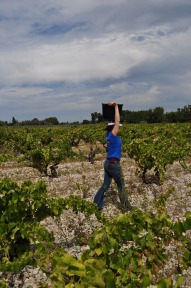
Their eyes connected on a train headed towards the Champagne region. Before the weekend filled with bubbles supplied by the cellars of Krug and Dom Pérignon was over, Caroline Jones a proud Australian, and French native Thomas Bertrand had uncorked a little sparkle. Their long-distance romance bloomed and the now married couple lives between the vines at Domaine Rouge-Bleu a vineyard in the heart of Provence.
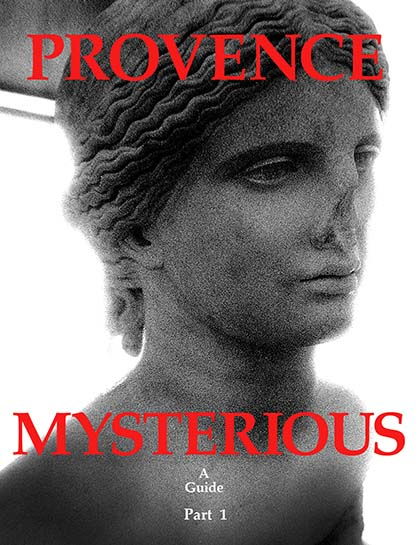
Provencal postcards are dominated by fields of purple-lavender rows, stoic sunflowers against cobalt-sky backdrops, gnarled grape vines burdened with ripening fruit and endless groves of olive trees. It is highly unlikely that demons, demigods, bat caves and sorcery are images that pop into your mind when a friend says they are going to Provence on holiday.
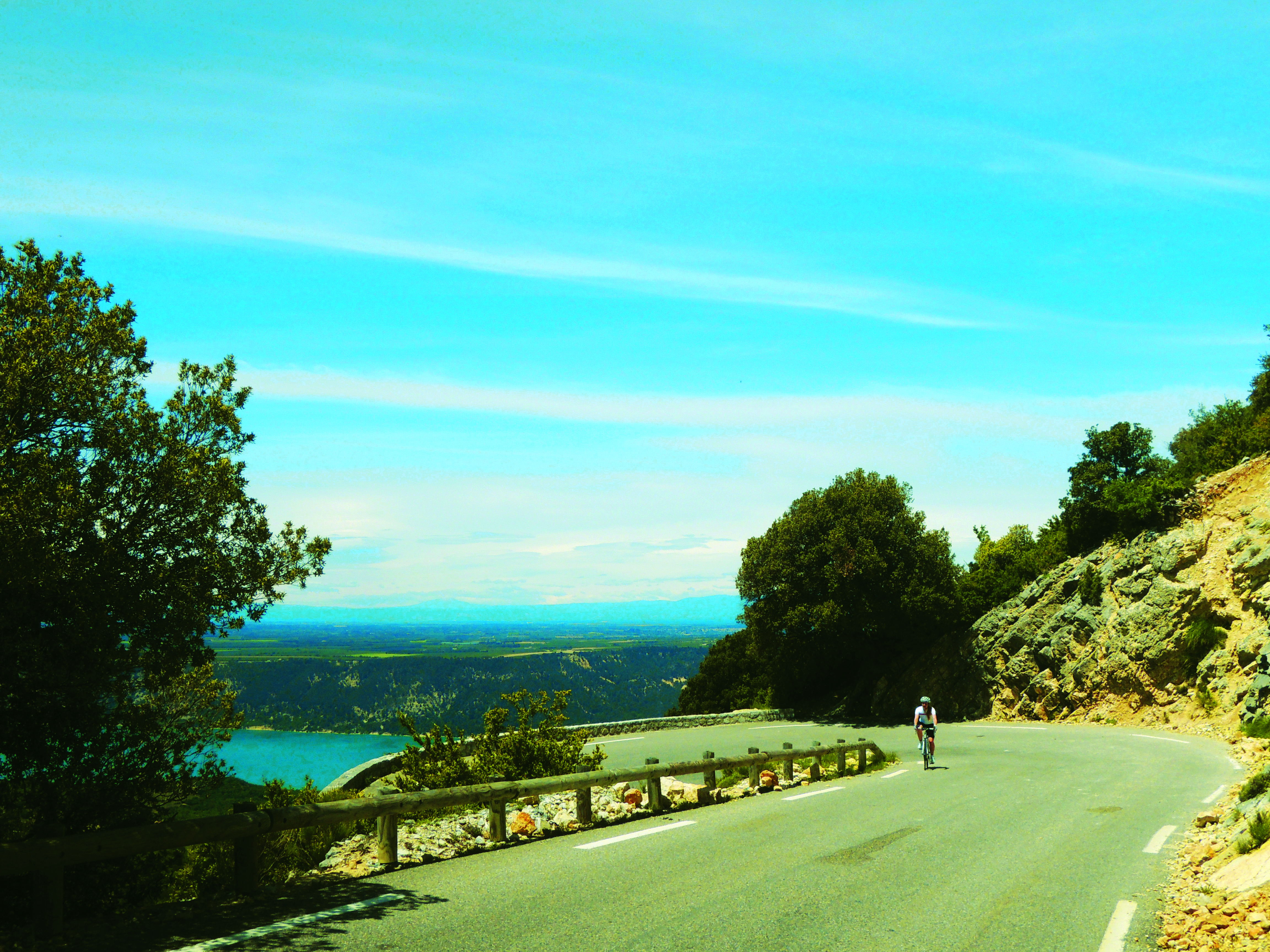
Whether you own a custom-fit, carbon fiber steed with electronic shifters or a three-gear cruiser bike with tassels, you have to admit that watching the Tour de France each July is addictive. The right to wear the maillot jaune is earned over the grueling, 21-stage race by the cyclist with the fastest overall elapsed time. The Tour de France television coverage is obviously inspirational for cyclists, but it is the panoramas along the route that make you want to book a plane ticket into Charles de Gaulle for your own France en Velo trip.
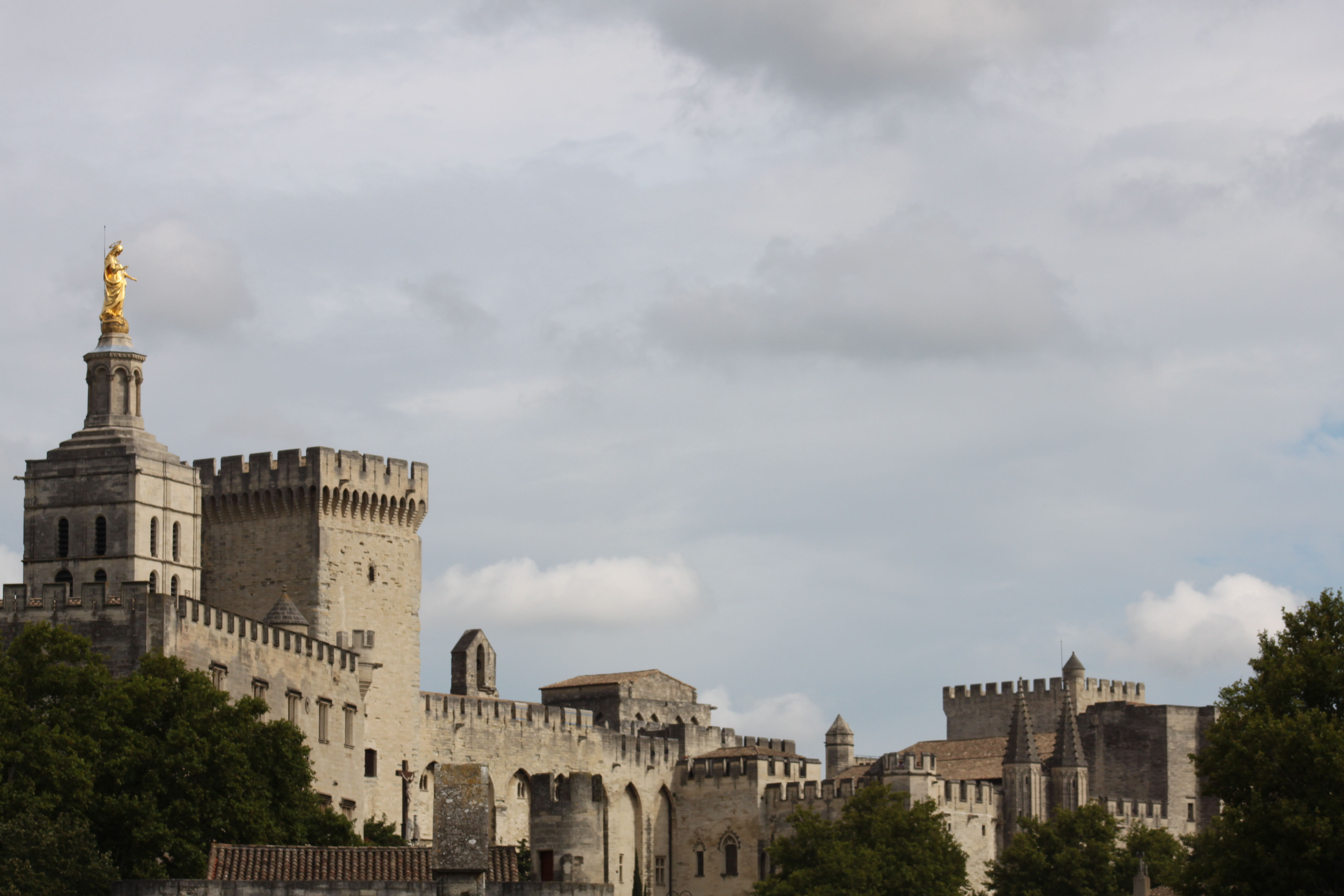
Avignon is a must see on almost every tourist’s Provence travel agenda. Whether you are a practicing Catholic or not it is impossible to ignore the fact that the seat of influence for this religion was based in Avignon for almost 100 years. Pope Clement V arrived from Lyon, without the intention of remaining he stayed and eight others followed.
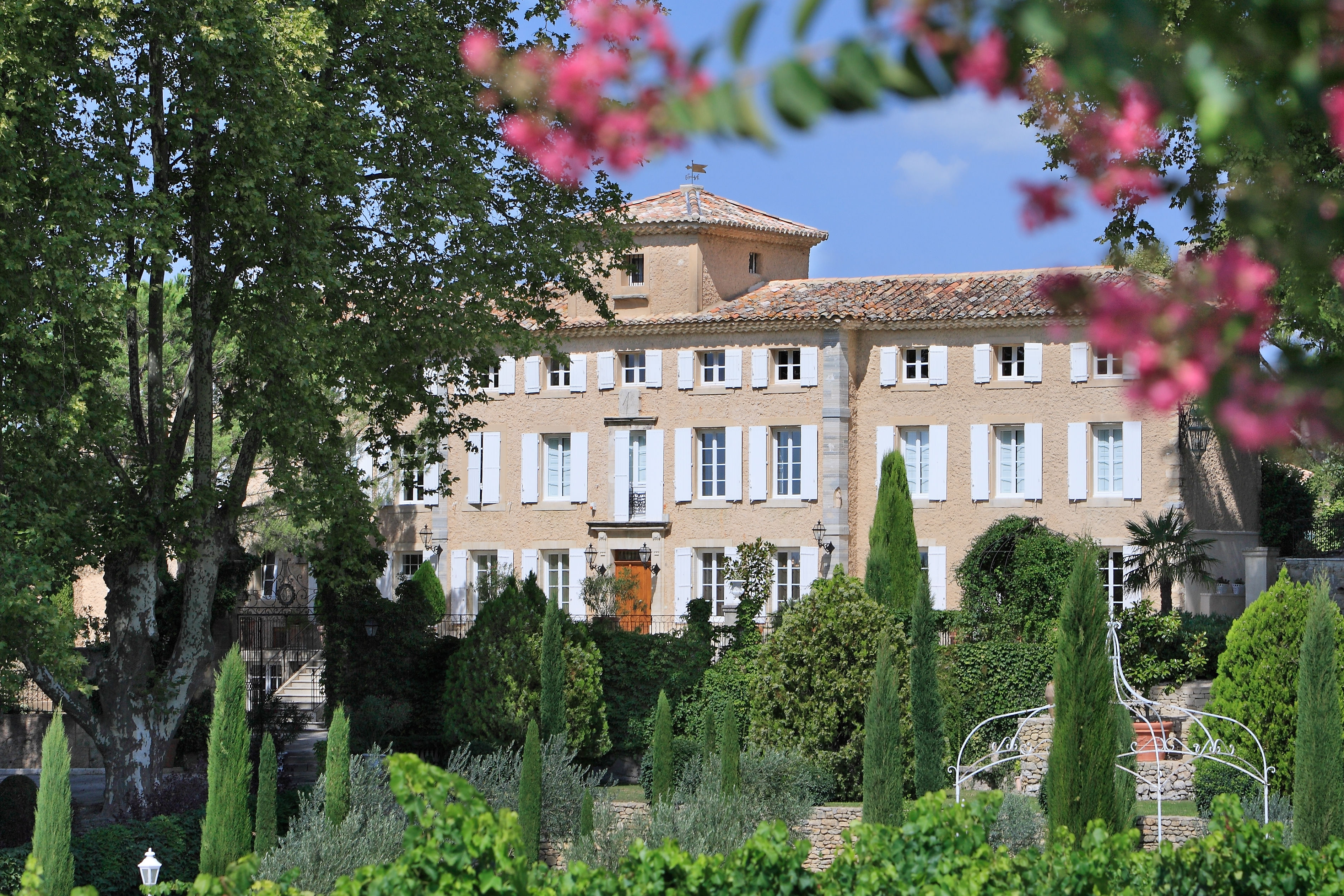
Château Pesquié is Provencal postcard perfection, with the soaring limestone summit of Mont Ventoux as a backdrop and a leafy canopy of plane trees shading the entranceway to the bastide. The Provencal name pesquié is a derivative from Latin “pescarium” meaning fishpond or basin.
If you had to conjure up a mental picture of Provence – what would it be?
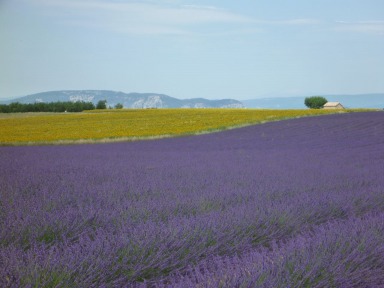
Thanks to talented photographers who have turned their best shots into postcards, books and Internet sites, one of the most iconic images of Provence is the deep purple undulating rows of lavender plants.
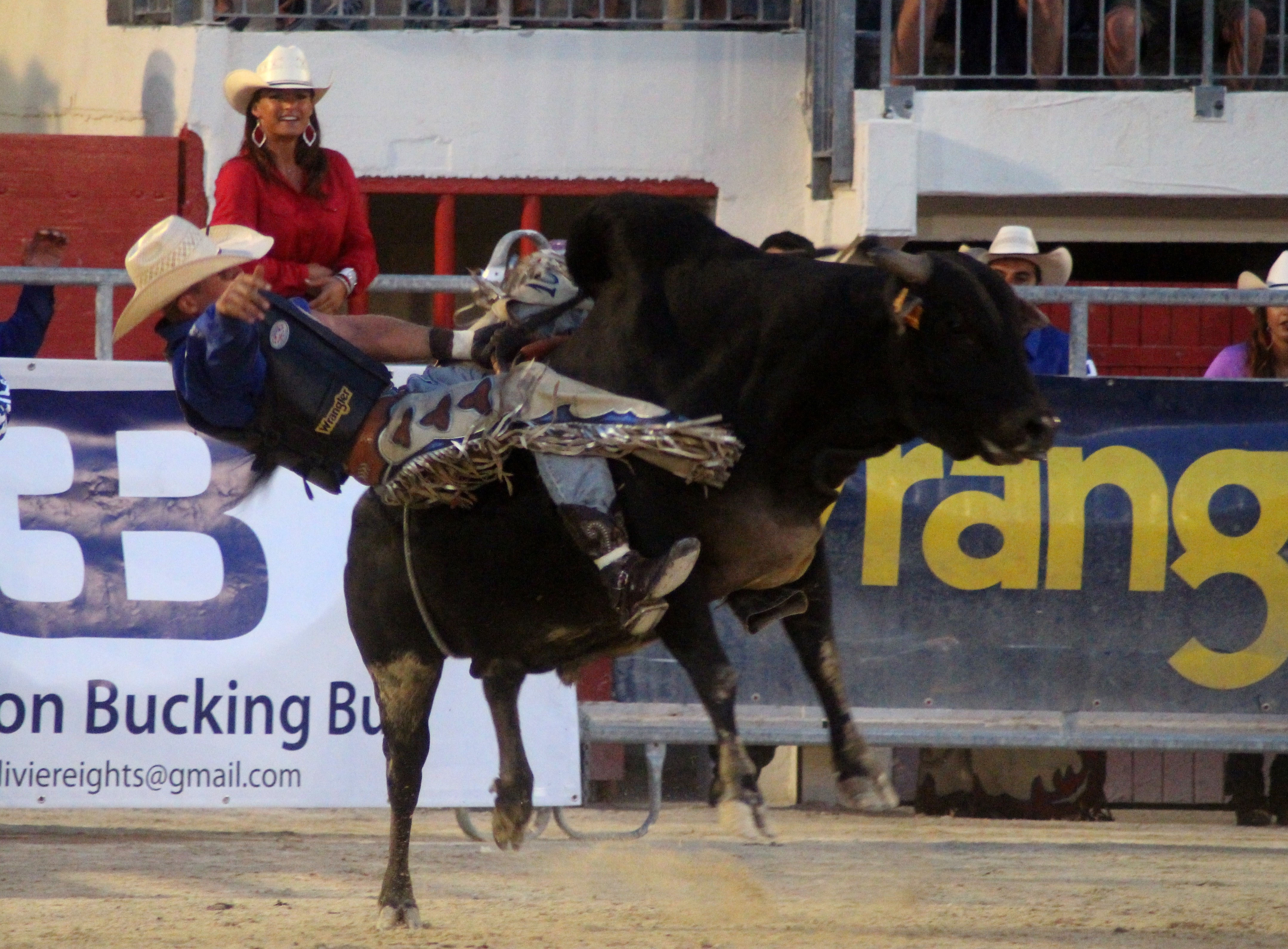
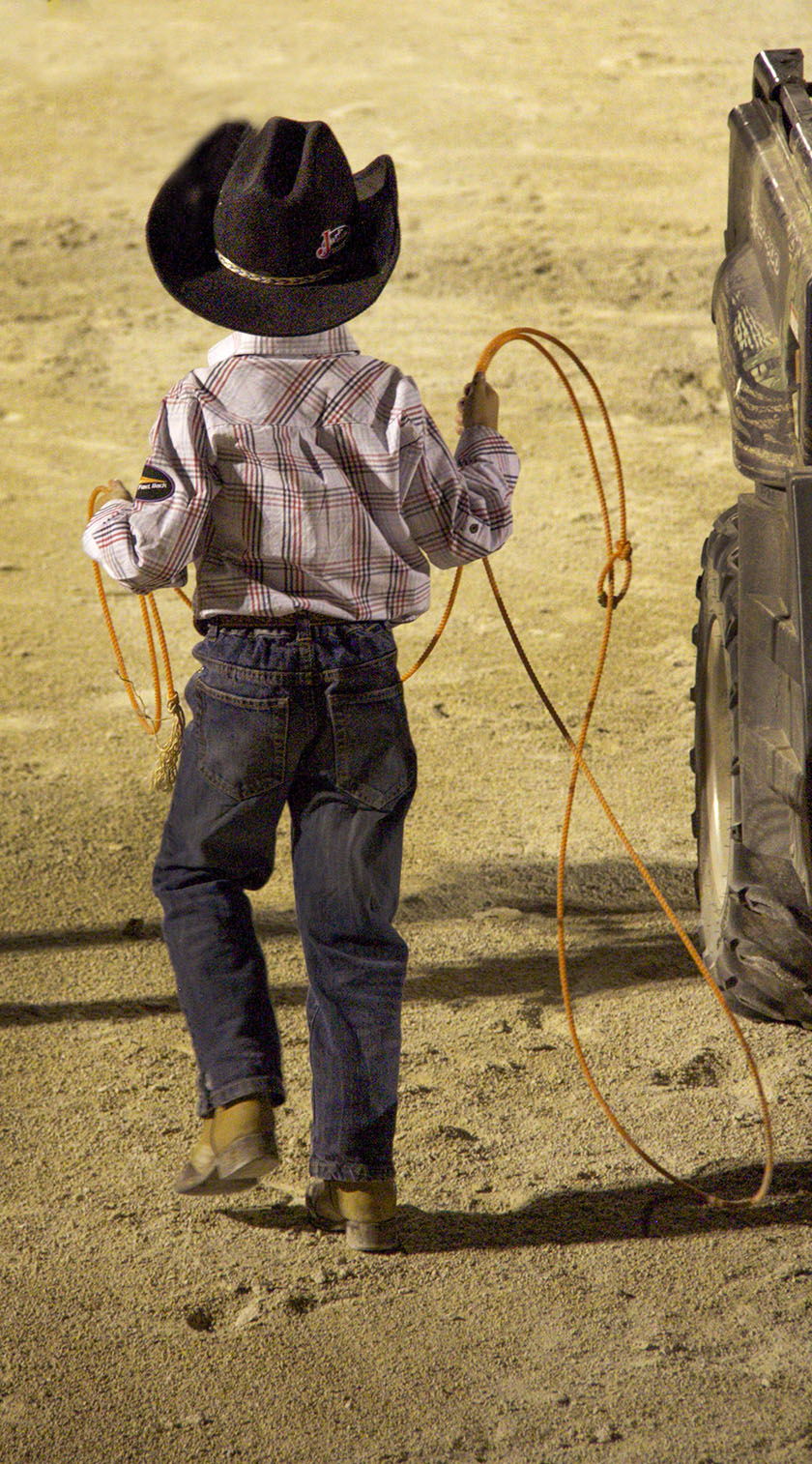
Most readers already know that Ginger is a devoted rodeo fan and Calgary Stampede volunteer. In the last few years, he has embraced Provencal equine traditions surrounding brawny white horses and feisty midnight-black bulls. Ginger can explain the rules of a Course Camarguaise, and he has been to ferrades (branding events). In the process, he has taken hundreds of photos of bulls running in the streets during the annual Fêtes de Village in August.
However, his heart remains saddled to traditional rodeo.
Marseille has managed to improve its image in the last few years, from seedy French port to European Cultural Capital in 2013. A financial infusion of several hundred million Euros did a lot for cleaning up the heart of the tourist area and expanding the city’s museums. The last major infrastructure project of this magnitude in Marseille was the post WWII reconstruction of the Vieux Port and le Panier district.
Marseille’s cultural transformation has been significant, including the recently renovated Palais Longchamp home of two galleries the Natural History Museum and the Musée des Beaux-Arts.
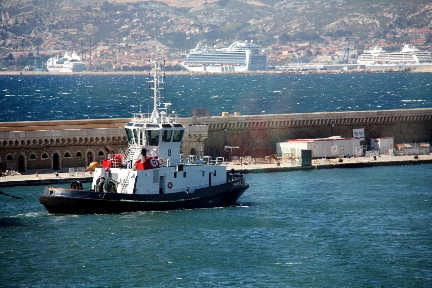
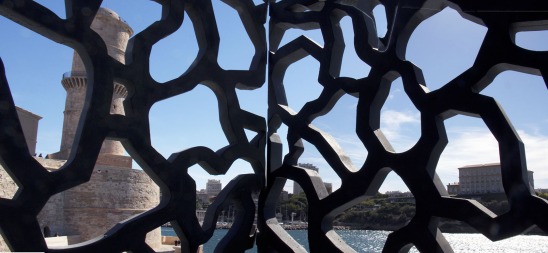
Salty cobalt-blue waters of the Mediterranean slip into the Port of Marseille under the careful watch of two stoic limestone sentries, Fort Saint-Jean and Fort Saint-Nicholas. In 1660, King Louis XIV ordered the construction of Fort Saint-Nicholas and the reinforcement of existing structures at Fort Saint-Jean. The justification for these monumental building projects was to improve the defense capabilities of the old port. The reality was likely more a show of military force to encourage calm among Marseille’s rebellious citizens than against the threat of external attack, the forts’ cannons faced the city.
Nutmeg loves France and Ginger tolerates her passion. The way they manage to find moderately stable ground within the quicksand of their personal interests is in those moments when friends come to visit. These encounters are an anchor with the familiar, and the ballast that settles a slightly rocky boat. Sometimes, they are able to convince those friends to explore with them.
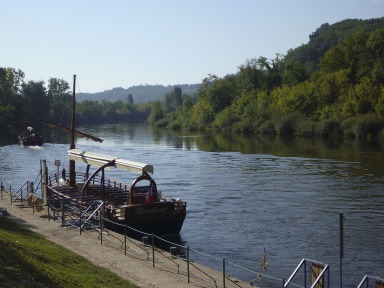
One recent occasion was a group bike trip through the now tranquil Dordogne, a region of France that once was the subject of violent tug-a-wars between French and English forces. Either, these were good friends or they were desperate for a vacation as the general descriptions for each day were as follows:
Ginger and Nutmeg is a Food and Travel blog for Active Foodies hooked on travelling. We love food, history and digging into cultural traditions. This is a blog with a bit of humour, informative travel information and some great recipes.
Perfectly Provence provides a vast online resource for all things Provence, France. Whether you are about to travel to Provence or currently live their as a local or ex pat, we have curated the region’s best experts to bring you everything you need to know. Perfectly Provence is all about great regional cuisine, France travel tips, local markets and things to do in Provence. Bon Voyage!
19 Spring Menu Ideas from Provence Easy Recipes for Entertaining
Calisson d’Aix a Sweet Almond Candy for a Queen of Provence
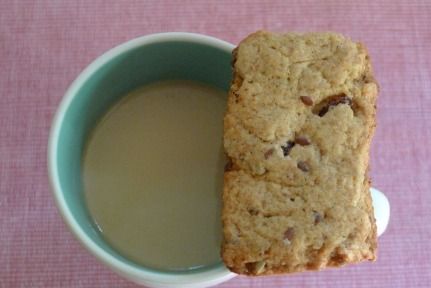
Canistrelli Recipe Sweet Corsican Cookies to have with Coffee
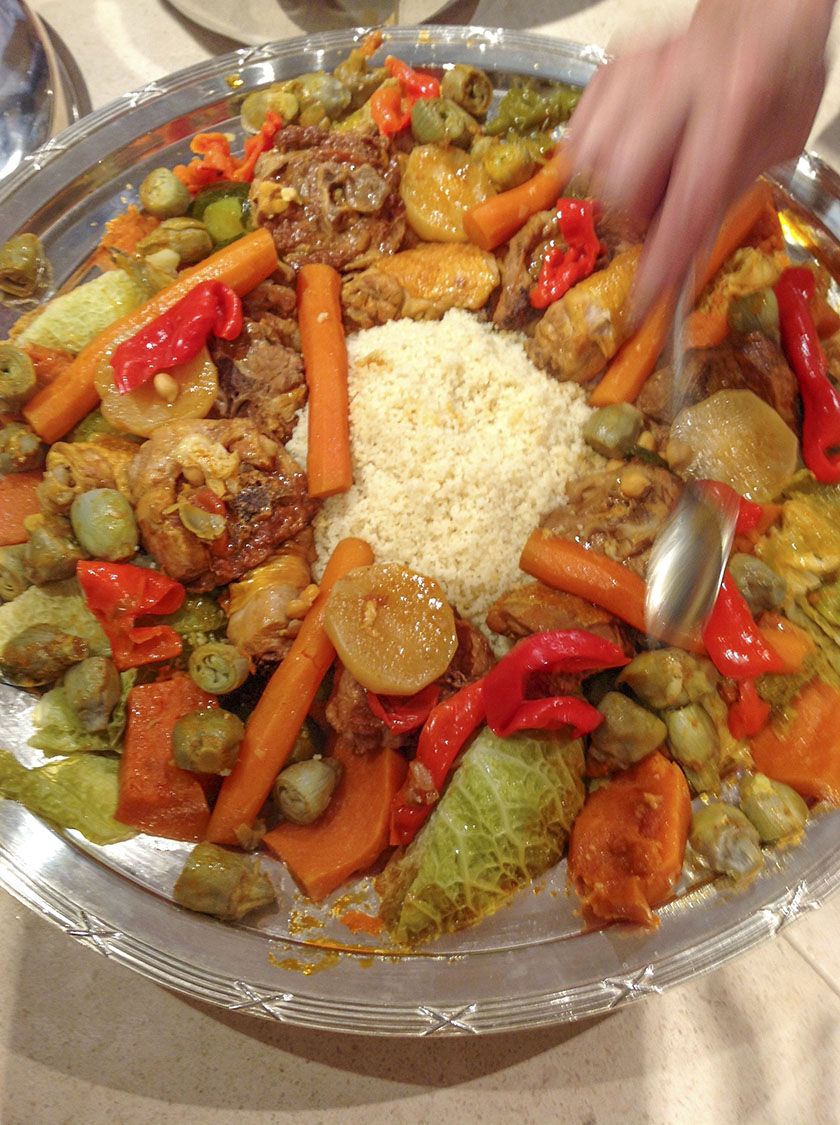
Couscous a Traditional Moroccan Recipe
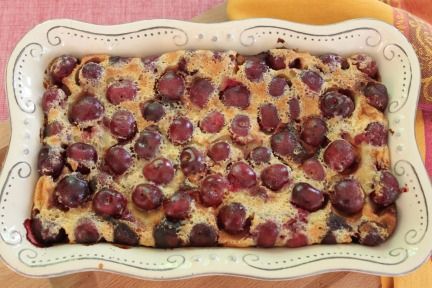
Claufoutis aux Cerises Recipe for When Life Gives You a Bowl of Cherries
Banana Bread Love Affair
A Perfect Date Recipe
Easy Chicken Stew from the Pantry
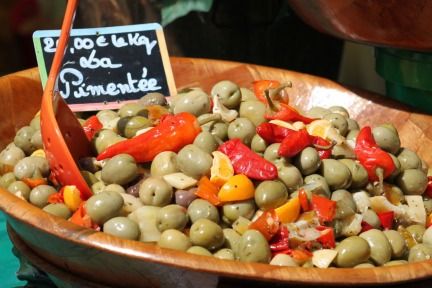
Provence’s Olives Start to Finish
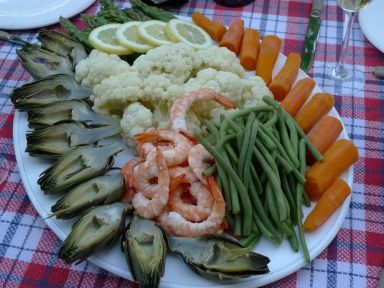
Aioli On Fridays in Provence
Work With Ginger & Nutmeg
Are you a blogger, brand or destination management organization?
Ginger and Nutmeg is a weekly travel blog for worldly foodies.
Ginger and Nutmeg is a digital travel guide aimed at an adult English speaking audience. These are educated, tech-savvy tourists and locals who want to understand unique stories and details behind a destination’s sights and tastes.