Posts tagged: Food Nutritional Facts

 
December 21, 2021

Happy Valentines and Aphrodisiac Foods
Love it or hate it, February 14 is today. So hug your sweetie or give yourself a special treat.  Here is some background:
Saint Valentine’s Day (commonly shortened to Valentine’s Day) is always on February 14 (yes, boys, that is TODAY) to celebrate love and affection. The holiday is named after one or more early Christian martyrs named Valentine and was established by Pope Gelasius I in AD 496. Traditionally, lovers express their love for each other by presenting gifts (flowers, candy, cards). The holiday first became associated with romantic love in the circle of Geoffrey Chaucer in the High Middle Ages, when the tradition of courtly love flourished.  Aphrodite was the mythical goddess of love.  Aphrodisiacs were first sought as a remedy for sexual anxieties.

(more…)

Travel to Happy Valentines and Aphrodisiac Foods

Recipes & Travel:
, , ,

 
February 17, 2014

More Spicy Friends

Nutmeg has already described some of her spicy friends in and earlier post. She thought it was time to provide some detail on some of the others and a bit of history at the same time.

(more…)

Travel to More Spicy Friends

Recipes & Travel:
, ,

 
August 4, 2019

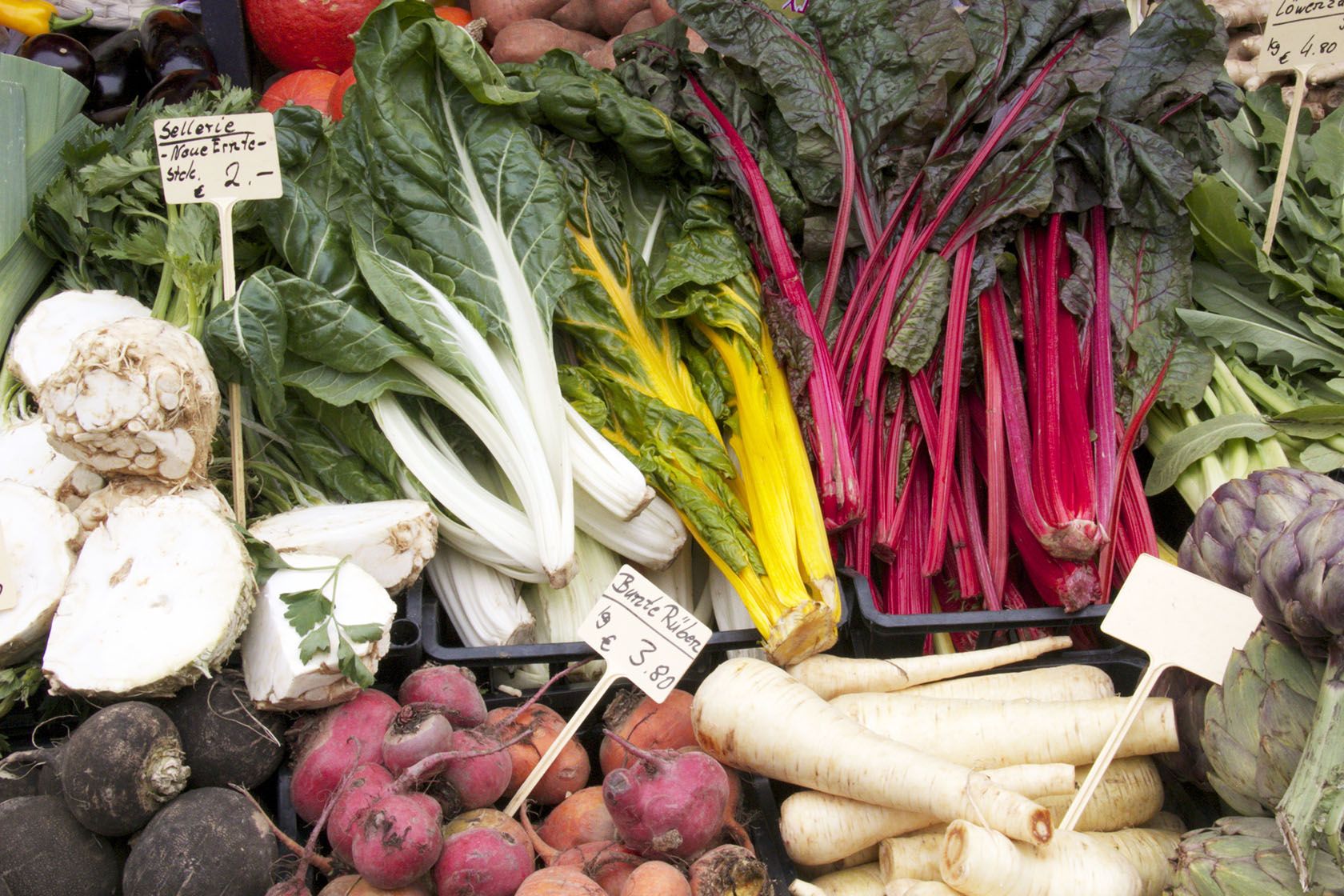
Beets Do you Love them too

Curry Murray loves beets and asked Nutmeg specifically for an article on beets.
So here are some of the facts right from Wikipedia:
The beet (Beta vulgaris) is a plant in the amaranth family. It is best known in its numerous cultivated varieties, the most well known of which is probably the red root vegetable known as the beetroot or garden beet. However, other cultivated varieties include the leaf vegetables chard and spinach beet, as well as the root vegetables sugar beet, which is important in the production of table sugar, and mangelwurzel, which is a fodder crop.
The beet has a long history of cultivation stretching back to the second millennium BC. The plant was probably domesticated somewhere along the Mediterranean, whence it was later spread to Babylonia by the 8th century BC and as far east as China by 850 AD. Available evidence, such as that provided by Aristotle and Theophrastus suggests that the leafy varieties of the beet were…

Travel to Beets Do you Love them too

Recipes & Travel:
, ,


Explore Our Recipes