Nutmeg is writing this post on a rainy Sunday afternoon while Ginger is napping off the effects of a long Sunday lunch. It is a long tradition in France that stores are closed Sunday afternoon, allowing everyone the opportunity to have a leisurely lunch en famille.
There are many reasons to complain about the SNCF (French national railways) including their frequent schedule delays. However, when the system works you board the TGV (Train à Grande Vitesse) in Avignon and arrive 2.5 hours later on the platform at Paris Gare de Lyon – génial (brilliant)! Ginger and Nutmeg were in Paris for a quick visit, a weekend of “hanging-out”. As often happens, Ginger was simply happy to be there, and Nutmeg had a plan. They were going to stroll (flâner) the city and do a foodie tour along the way.
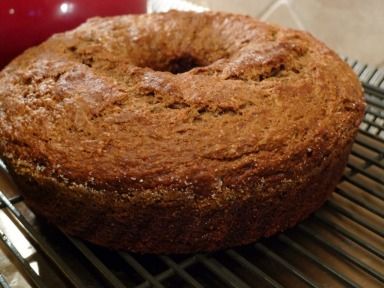
A few years ago, a group of Provencal pastry masters called les Artisans Pâtissiers Chocolatiers du Vaucluse got together with a concept in mind, their project was to make a cake that is representative of Provence. As you can likely tell, from their official title these artisan bakers know what they are doing when it comes to creating tasty treats.
The iconic vision of a French man or woman walking home with their baguette in hand is neither a myth nor a creation of the department in charge of French tourism. The classic baguette, long, thin, and crusty, remains an excellent carrier for fresh jam in the morning, or for soaking up tasty sauces at dinner. Although, French daily bread consumption per person has declined significantly from the early 1900s to about 120 grams, from as high as 900 grams, the mighty loaf still remains a vital part of the national diet. Despite the decline, that still is a lot of bread, over 23 million baguettes a day (8 billion a year) for 65 million people.
Music to Nutmeg’s ears, by law bakeries in France, are not allowed to use preservatives in any bread. This means that boulangeries must bake several times a day, so their customers can always find a fresh loaf. The name baguette first appeared around 1890, although it…
Delphine the owner of Crêpes, Cidre et Companie, in Aix en Provence, is a lovely blend of Spanish roots and a childhood spent in northern France. Her Bretonaise heritage is recreated daily in the tiny kitchen at 23, rue de la Cépède in Aix. Her crêpes and galettes (savoury crêpes) are made with love, and she does not skimp on ingredients – lots of butter, whole milk and eggs. You can read more about her crêpes here.
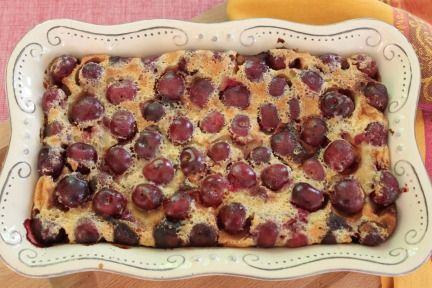
Delphine serves some other traditional treats from her hearth. There are usually (if not sold out) delicious, buttery cookies and sometimes if you are very lucky a slice of her traditional Far Breton. This dessert from Brittany is a tasty delight somewhere between a flan and a pudding. A Far Breton is similar to a Clafoutis or a Fiadone from Corsica. The key ingredient, much like for perfect crêpe batter is flour. Far is the word for flour in Brittany. With origins as a…
Ginger and Nutmeg had been on the road for 12 days travelling to Italian cities and ski resorts. They arrived back in Aix en Provence after a 9+ hour drive, and it took a full day to get through the laundry, pick up Jade from the “doggie spa” and buy some groceries. It was at some point that day, that they noticed a text message from Truffle – he was just a few kilometers away. His planned high-mountain ski randonnée in Corsica had been cancelled due to awful conditions. The great news is Truffle was in town and could come for dinner, the bad news: what do you serve a guy who makes foie gras and magret de canard for regular pre-dinner snacks? Dinner was fine, the wine and company much better. (more…)
Nutmeg has learned a few things about technology in the last couple months including:
It is a brilliant idea to keep back-up files Software version updates can cause problems The benefits of saving documents to a cloud
Luckily, there are a few loyal readers including CardaMOM, who prints everything. Nutmeg has rebuilt the recipe database on this blog over the last few weeks, and she has been able to recover 99% of the recipes. The new format is much better for printing. Rather than make you search back through old posts for the French recipes, some of them are captured below (click the links) and enjoy!